
Recreational & Occupational Dive Medicals
Your safety checklist starts here - cleared for adventure!
Dive Medicals
Why does diving need a medical?
Diving puts the body somewhere it wasn't really built to be. Every 10 metres of seawater adds roughly another atmosphere of pressure, and that pressure squeezes every air space you have — your ears, your sinuses and your lungs. Most of the time the body well; however, some conditions that cause little trouble on land can become a real problem at depth, where you can't simply stop and sit down.
Think of it like getting the car checked before a long drive out west. You're not expecting trouble, but you'd much rather find the worn tyre in the driveway than on the side of the highway.
It's also an honest conversation about risk. A "yes" on a dive form rarely means you can't dive — more often it means we need to work out how you can dive safely, and occasionally that comes with a few sensible restrictions.
At TSMP, our dive medicals are done by Dr Jane Graham, who has completed SPUMS-approved training in diving medicine. We do both recreational and occupational dive medicals, and because spirometry and hearing tests are done here on-site, most of what's needed happens in the one appointment.
Recreational or occupational — what's the difference?
There are two different medicals, assessed against two different standards.
Recreational dive medicals are for people diving for enjoyment — learning to dive, doing a course, or diving on holiday. In Queensland, before an entry-level course you'll fill in a medical declaration (the UHMS Diver Medical Participant Questionnaire). If it shows you need a doctor's assessment, you'll need to see one before you get in the water. Dr. Jane assesses recreational divers using the South Pacific Underwater Medicine Society (SPUMS) guidelines, the benchmark for recreational dive medicals in Australia.
Occupational dive medicals are for people who dive as part of their work. They follow the Australian/New Zealand Standard AS/NZS 2299.1, they're more thorough, and they're a legal requirement — occupational divers in Queensland must hold a current certificate of medical fitness from a doctor trained in underwater medicine. That certificate can be no more than 12 months old, so working divers come back every year.
Who needs a dive medical?
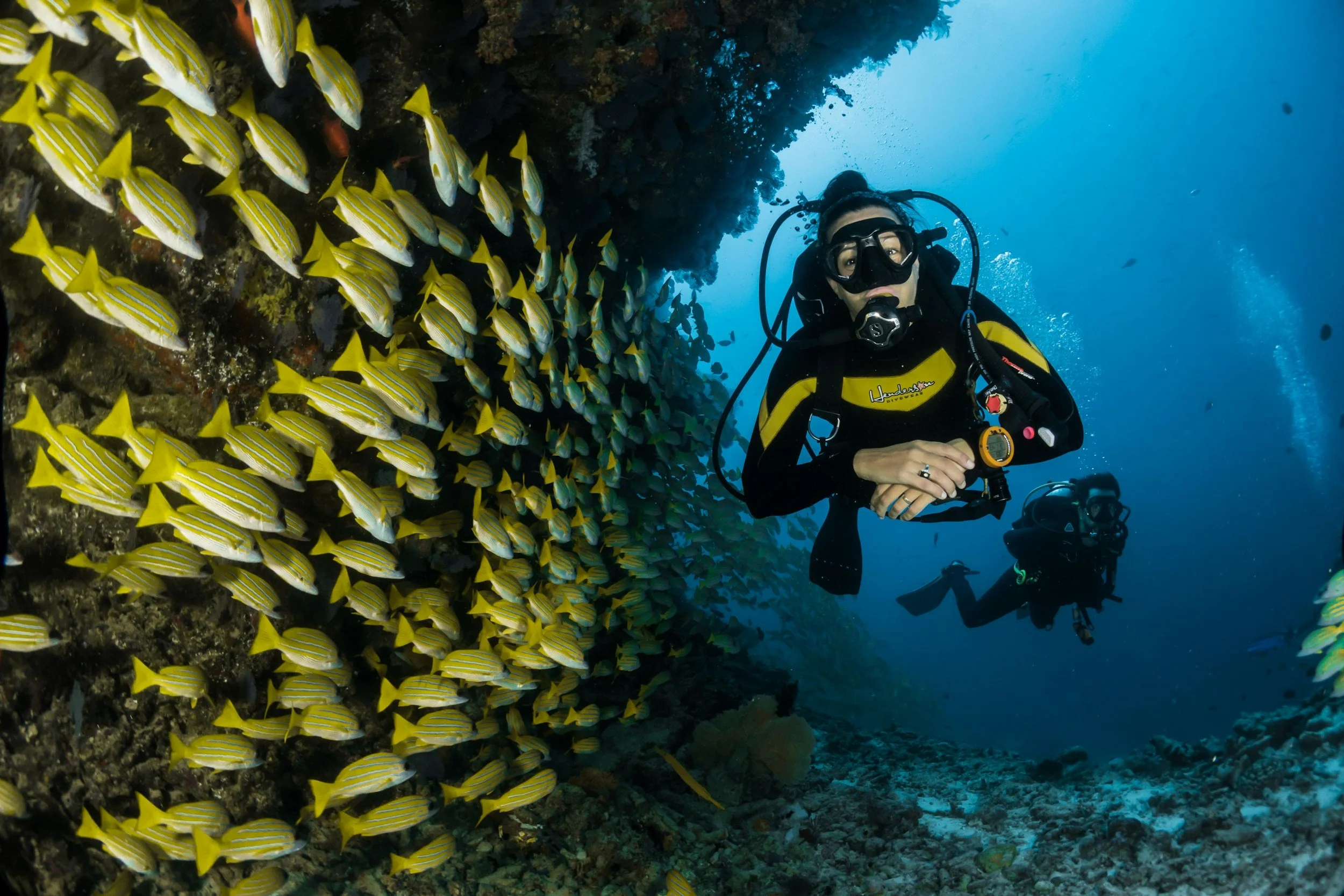
Recreational divers
Occupational divers
What tests to expect in your medical
The tests depend on which medical you need and your age. Most are done here on-site, so you won't be sent off around town.
Occupational dive medical
Recreational dive medical
What happens at your appointment

Your dive doctor
Dr Jane Graham
Jane is a GP at TSMP with SPUMS-approved training in diving medicine. She'll give you a straight answer on your fitness to dive and, where there's a hurdle, work with you on a plan to get over it.
Diving overseas? Our Travel Clinic can help with vaccines and staying well on the trip. Need a medical for work? See our employment medicals for the full range we offer employers.
FAQs
Dive Medical Questions
-
Not always. Before an entry-level course you'll complete a medical declaration, and if your answers flag a health question, you'll need a doctor's assessment before you dive. Some dive schools and liveaboards ask every student for a medical regardless, so check with your operator.
-
Often, yes. Many people with well-controlled asthma dive safely; however, it depends on what triggers it, how well controlled it is and how your lungs perform on testing. Jane will go through this with you and check your lung function on the day.
-
Most won't, but some can affect alertness, heart rhythm or blood sugar, and those matter underwater. Bring a list of everything you take, including anything over the counter, and we'll work through it together.
-
Longer than a standard consult, and occupational medicals take longer again because of the extra tests. Let reception know which medical you need and they'll book the right length of appointment.
-
An occupational certificate under AS/NZS 2299.1 is valid for up to 12 months, so working divers need a medical every year. For recreational divers, it depends on what your dive operator or training agency asks for. Either way, if your health changes, it's worth being reassessed before your next dive.
-
No. Like most fitness-for-purpose assessments, dive medicals aren't covered by Medicare. Our reception team can give you the current fee when you book.
-
Occupational dive medicals must be done by a doctor with training in underwater medicine. For recreational medicals, SPUMS recommends a doctor who has completed approved training in diving medicine — which is why Jane does ours.
-
It's not always a final answer. Sometimes we need more information, such as a specialist opinion or further tests, and sometimes you're cleared with restrictions, such as limits on depth. Jane will explain the reasoning and talk you through your options.
-
Diving isn't recommended during pregnancy, as the effects on the baby aren't well understood. If you're planning to dive after your baby arrives, book a medical before you get back in the water.
-
Yes. Bring the form from your operator or training agency, and Jane can complete it as part of your recreational medical.
-
Yes. Our corporate team can arrange occupational dive medicals for employers and groups — call (07) 4426 3636 or email corporate@tsmp.net.
-
Generally, no — dive medicals are for scuba. Snorkel tour operators will usually ask some health questions on the day; if you live with a heart or lung condition, have a chat with your GP before your reef trip.