

Skin cancer checks
Expert detection and care — right here at your local GP practice
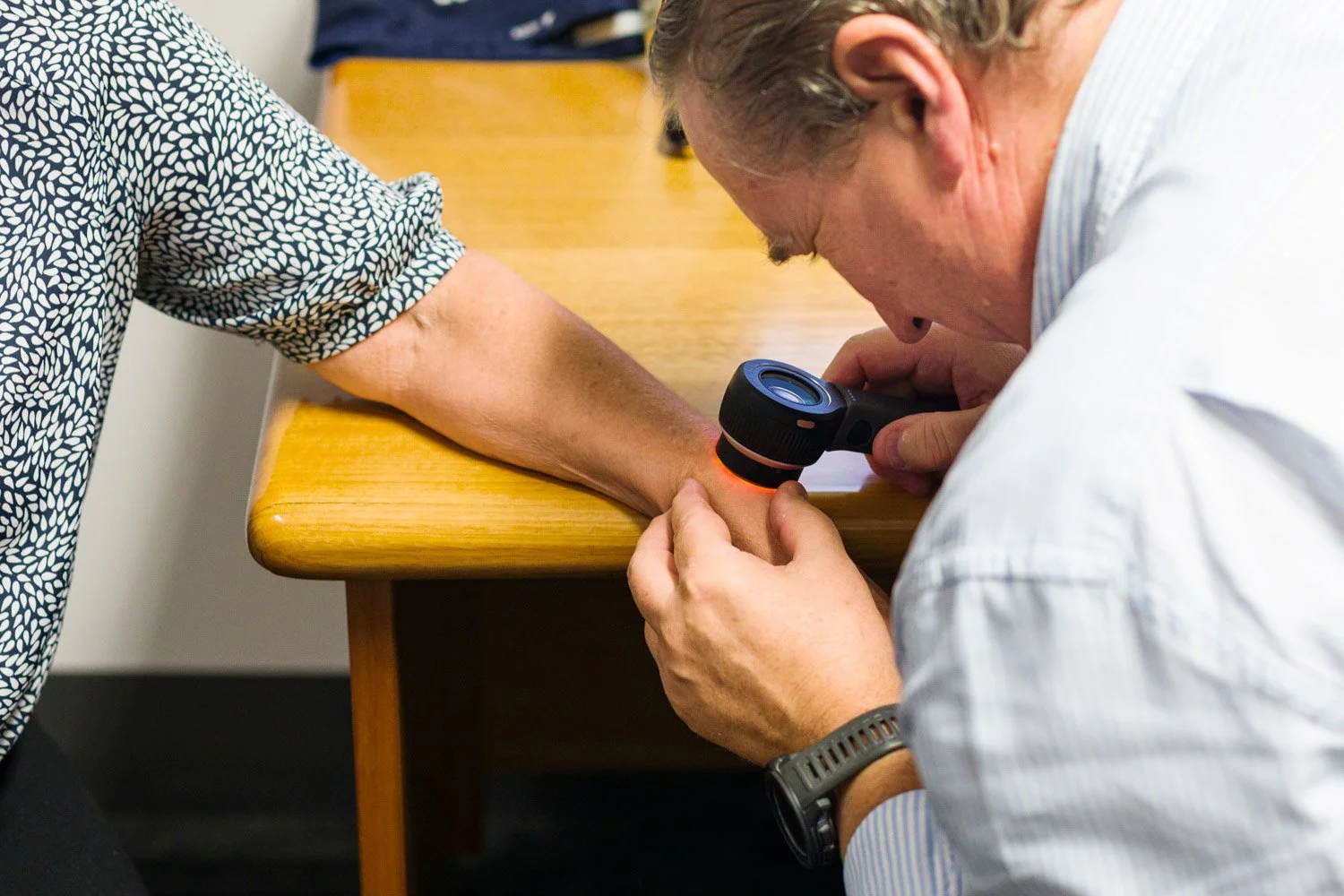
What is a Skin Check?
A thorough examination of your skin — from head to toe
A skin check is a whole-body examination performed by one of our GPs to assess your skin for any signs of cancer, pre-cancerous change, or other conditions that need attention. Using dermoscopy — a specialised handheld magnification device — our doctors can examine lesions in far greater detail than the naked eye allows.
Skin checks at TSMP go beyond a quick look. We take a full history of your sun exposure, previous skin cancers, and family history, and examine every surface of your skin systematically — including your scalp, the soles of your feet, and between your toes. If anything needs to be investigated or treated, we can discuss your options on the same day.
No referral is required. You can book directly online or by phone.
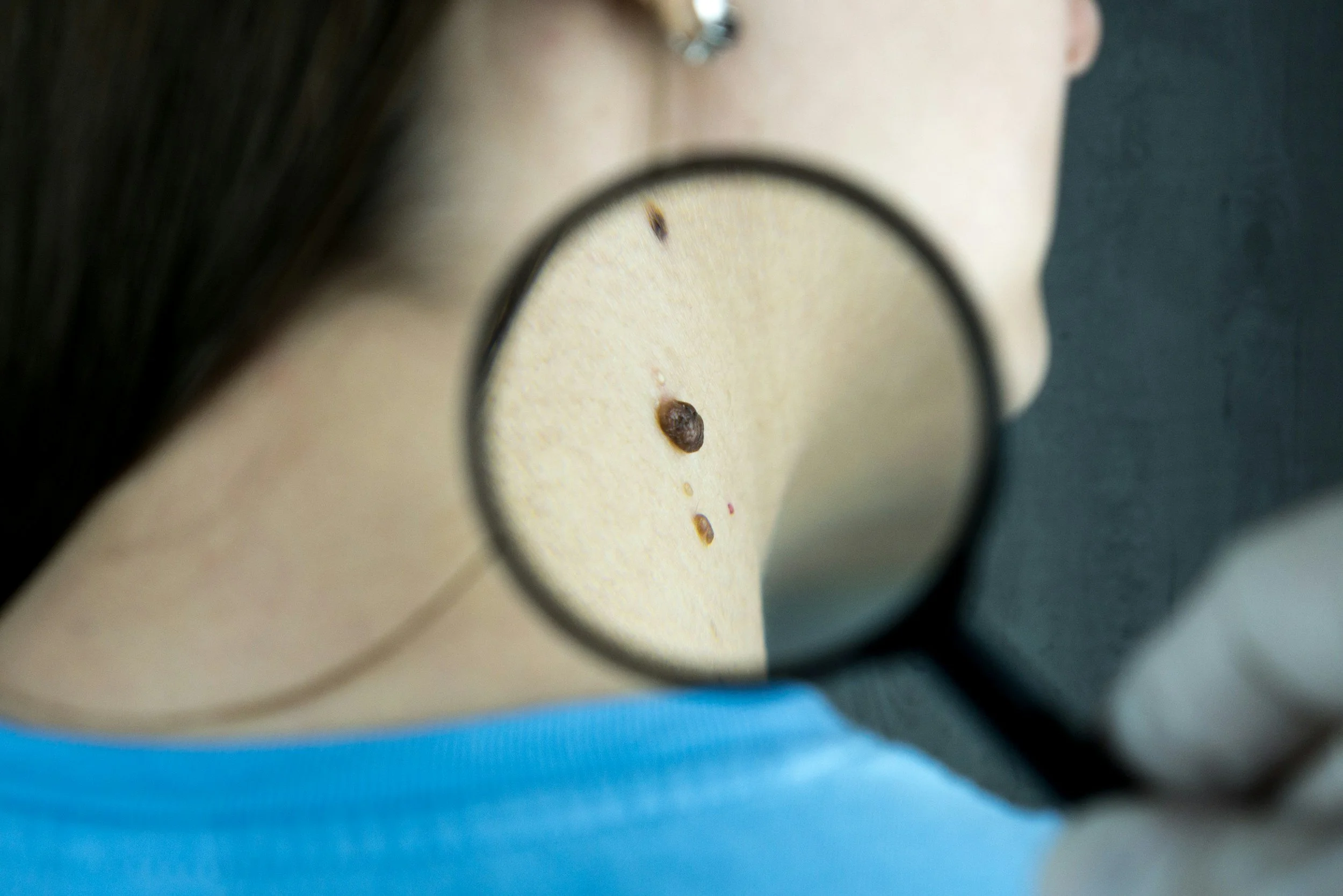
Who needs a skin check?
Skin checks are for everyone living in North Queensland
Townsville's tropical latitude means UV levels remain high year-round — significantly higher than southern Australian cities. Cumulative sun exposure builds silently over decades, which is why regular skin checks matter even if you feel perfectly well and haven't noticed anything unusual.
The right check frequency depends on your individual risk. As a general guide:
Low Risk - younger adults, limited or no sunburn history, no personal or family history of skin cancer, darker skin type > Once off skin check or if you have any concerns
Moderate Risk - fair complexion, had a number of sunburns previously, many moles, personal history of skin cancer, or significant family history > Get checked every 1-2 years
High Risk - Previous melanoma diagnosis, multiple non-melanoma skin cancers, immunosuppression, or strong family history of melanoma. Your GP will guide your schedule.
What to expect
Your appointment, step by step
Your history
Your GP will start by asking about your sun exposure history, previous skin cancers, medications, and any family history of melanoma. This helps us assess your risk level and know where to look most carefully.
Whole-body examination
You'll be examined from head to toe — including your scalp, behind your ears, between fingers and toes, and the soles of your feet. A full examination typically takes 20 to 30 minutes.
Dermoscopy
For any lesion that warrants closer examination, your GP will use a dermatoscope — a specialised handheld magnifier — to look beneath the skin surface at structural features invisible to the naked eye. If required, they may take photos to monitor for changes at your next skin check.
Discussion & next steps
Your GP will walk you through everything they've found and explain what, if anything, needs to happen next. This might be routine monitoring, a treatment on the same day, a biopsy, or an onward referral — all discussed calmly and clearly.
Your personalised monitoring plan
Based on what we find and your risk factors, your GP will recommend how frequently you should return for future checks — so you leave with a clear plan, not just a one-off appointment.
Before your appointment
Wear comfortable, easy-to-remove clothing so the examination can be thorough and efficient.
Come with clean, makeup-free skin if possible — particularly on the face and décolletage.
Bring a list of any spots or changes you've noticed yourself, so you can point them out to your GP.
No referral is required. You can book directly online or by calling (07) 4779 5077.
Appointment length
A whole-body skin check is a longer consultation — typically 20–30 minutes. Please book a long appointment when booking online or advise our reception team when you call.
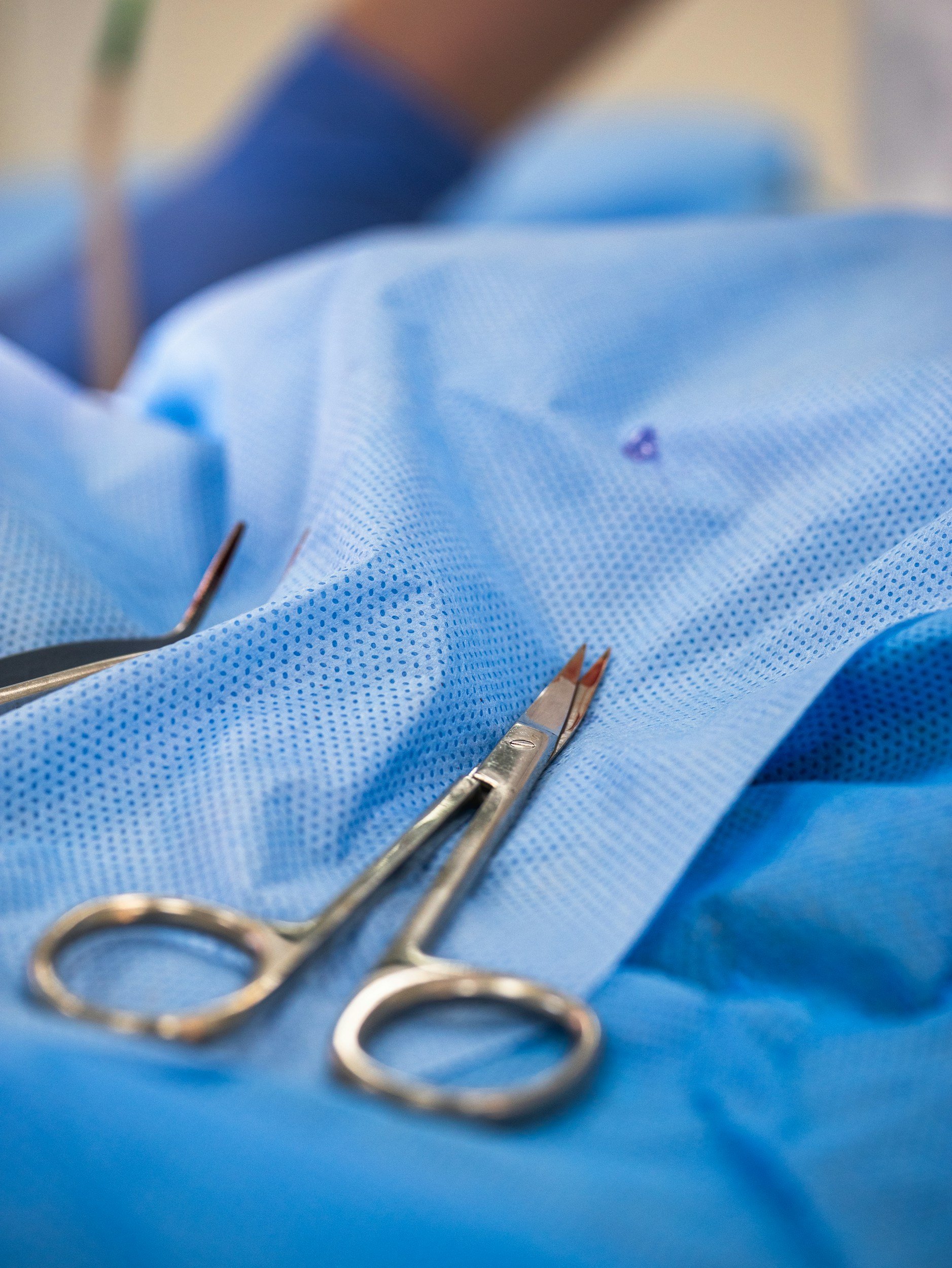
Treatment Options
Finding something on your skin isn't the end of the story — our doctors are experienced in managing a wide range of skin lesions and will recommend the approach most suited to your individual situation.
Cryotherapy
For superficial, non-malignant lesions such as solar keratoses, seborrhoeic keratoses, and some early precancerous changes, cryotherapy is often a fast and effective treatment. Liquid nitrogen is applied directly to the lesion, freezing and destroying the abnormal cells. The procedure takes only a few minutes and is performed in the consultation room.
Excision of Lesions
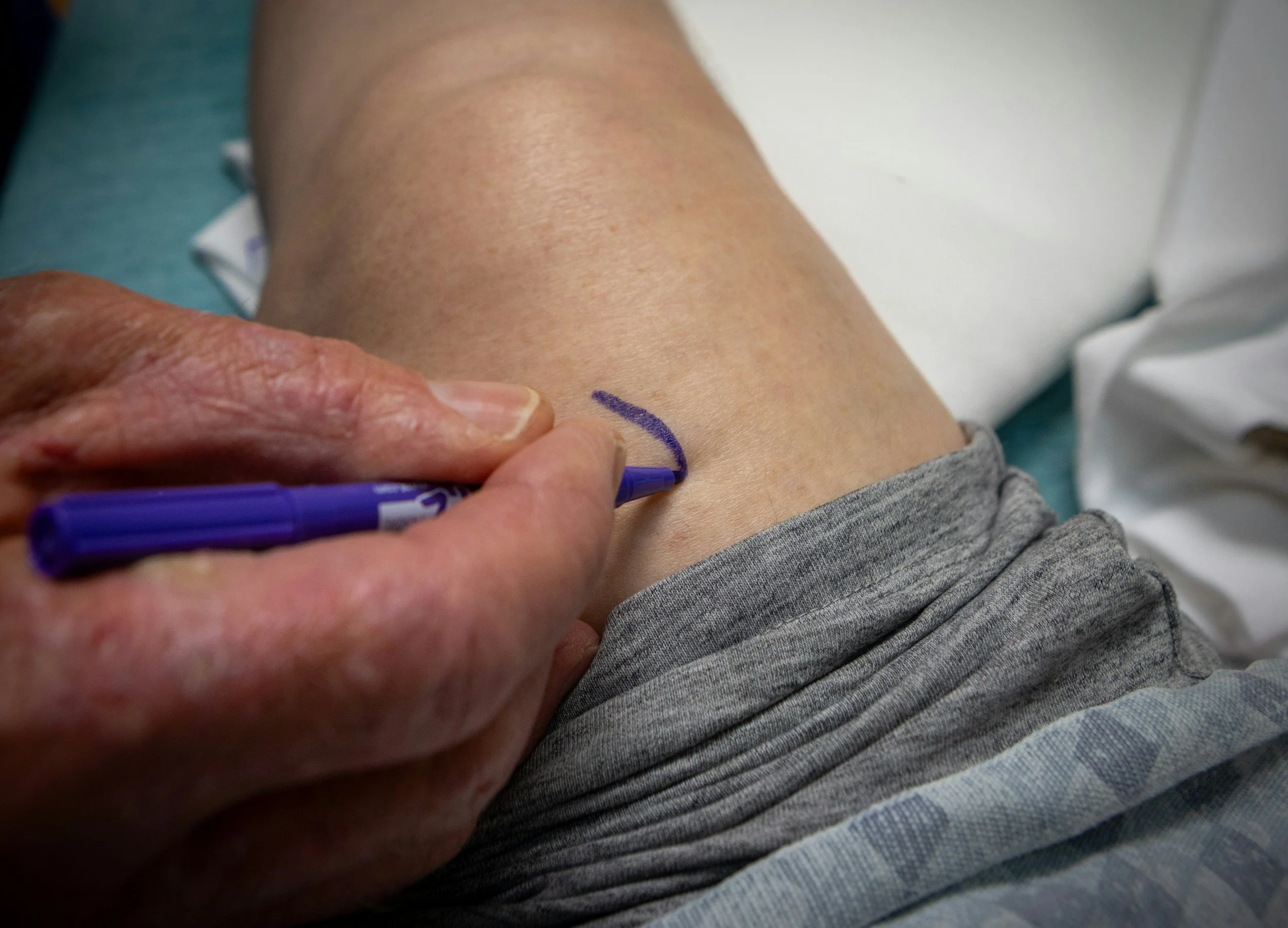
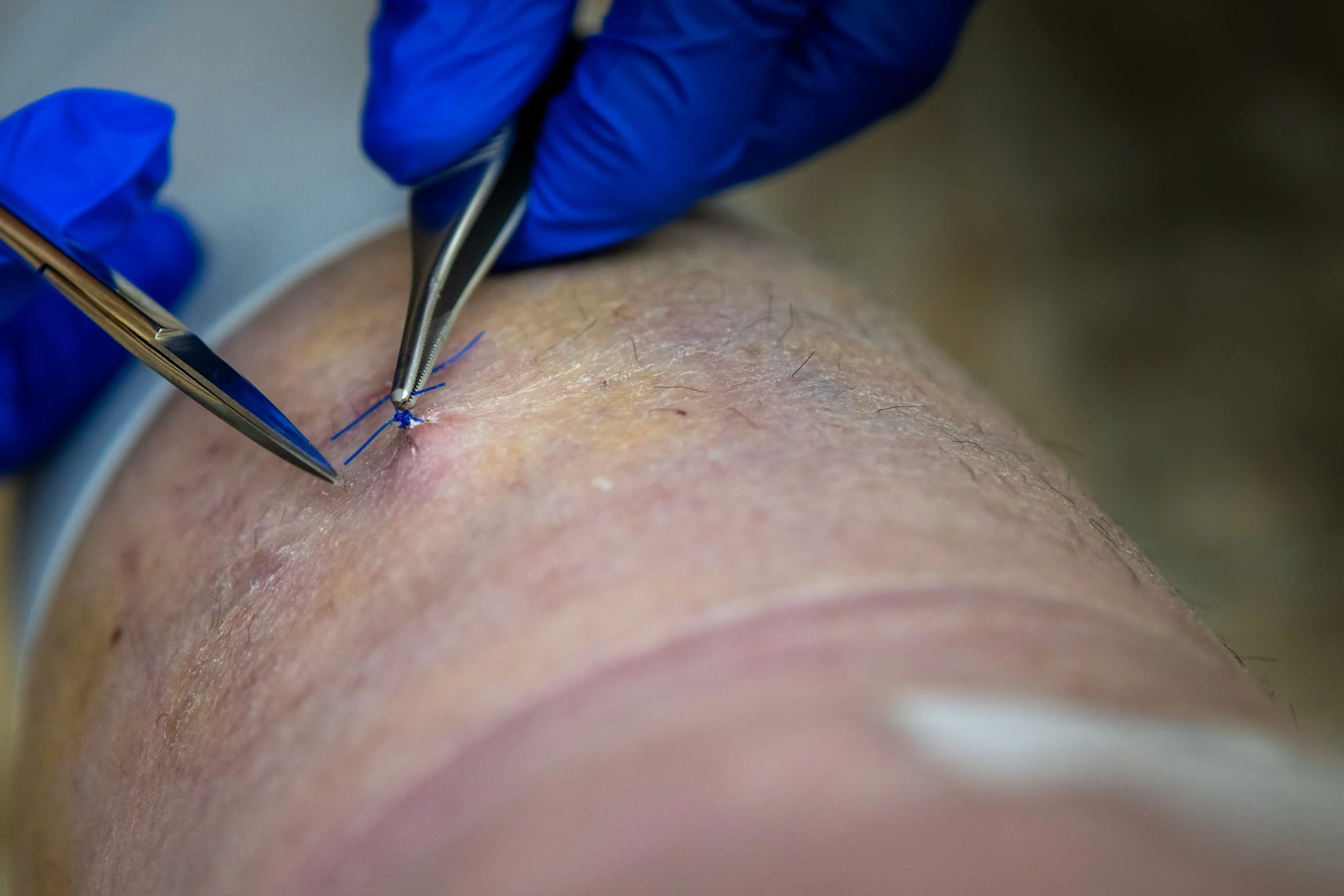
Where a lesion requires complete removal — whether for diagnostic purposes or as definitive treatment — surgical excision can be performed at TSMP. This involves removing the lesion along with a small margin of surrounding tissue under local anaesthetic. Excised tissue is typically sent to pathology for analysis to confirm the diagnosis and ensure clear margins.
Radiofrequency Ablation
Radiofrequency ablation is a precise, minimally invasive technique used for certain surface lesions. It uses controlled radiofrequency energy to remove abnormal tissue with minimal damage to the surrounding skin, making it a suitable option for lesions in cosmetically sensitive areas or where traditional excision is less practical.
Daylight Photodynamic Therapy (Daylight PDT)
Daylight PDT is an effective and well-tolerated treatment for field cancerisation — areas of skin with widespread sun damage and multiple precancerous changes, particularly on the face, scalp, and forearms. A photosensitising cream is applied to the affected area, which is then activated by natural daylight over a period of time. It treats the visible lesions as well as the surrounding sun-damaged skin that isn't yet visible to the eye, making it an excellent option for addressing widespread field change. Read more on our blog here.
Prescription Field Treatments
For larger areas of sun-damaged or precancerous skin, prescription field treatments offer a non-surgical approach. These include:
Immune-modulating creams — stimulate your immune system to identify and destroy abnormal cells. Suitable for superficial basal cell carcinomas and field change.
Chemotherapeutic creams — work directly to destroy abnormal skin cells. Effective for actinic keratoses and certain superficial skin cancers.
Compounded creams — where standard formulations aren't the right fit, we can work with compounding pharmacies to prepare creams tailored to your specific needs, including different concentrations or combination formulations to suit your skin and treatment area.
Your doctor will explain what each option involves, including what to expect during treatment, how to manage skin reactions, and what the treatment timeline looks like.
Frequently Asked Questions
-
No. You can book directly with any of our doctors. If you'd like to see one of our doctors with a specific skin cancer interest, just mention this when you book.
-
A full skin check is a dedicated appointment — generally 20 to 30 minutes. Please book a longer consultation rather than adding a skin check to another appointment.
-
We are a private billing clinic. There will be an out-of-pocket fee for this appointment. Our fees including long appointments can be found here.
-
In some cases, yes. Simple procedures like cryotherapy can often be performed at the same visit. Surgical excision is usually booked as a separate procedure appointment, which your doctor will arrange.
-
No. If you've noticed a new, changing, or unusual spot, book an appointment sooner rather than later. Early detection can make a significant difference to outcomes.
